
 EN
EN


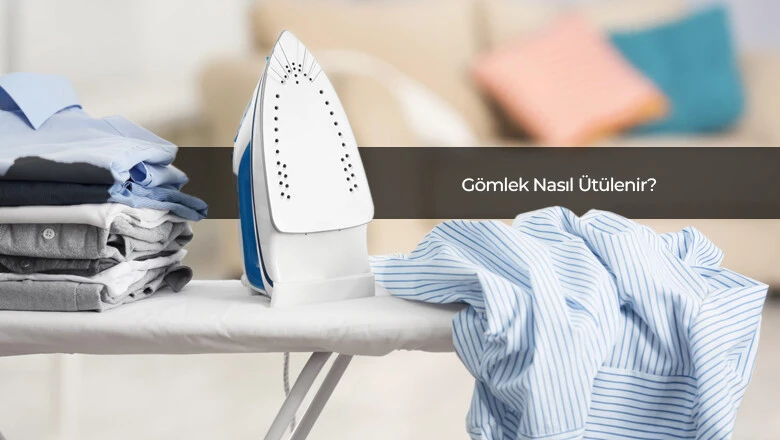
How to Iron a Shirt?
A shirt is one of the essential pieces for a stylish and well-groomed look. However, keeping shirts looking neat for a long time depends on using the right ironing techniques. Incorrect ironing can both damage the shirt’s fabric and cause wrinkles to reappear. In this guide, you’ll find answers to the question of how to iron a shirt, and learn ways to keep your shirts looking fresh, long-lasting, and well cared for. In addition, the high-quality women’s shirts and men’s shirts from Exxe Selection will make your ironing process easier and more efficient. Moreover, when quality shirts are paired with the right ironing techniques, they can be worn for many years without losing their shape.
Important Points for Ironing a Shirt
Before you start ironing your shirt, it’s important to know a few basic rules. First, check the care instructions listed on your shirt’s label. Cotton, polyester, or blended fabrics require different heat settings. At this point, the heat and techniques used during ironing play a critical role in keeping the fabric long-lasting. Especially for cotton shirts, using the wrong temperature can cause the fabric to become stiff over time or develop a shiny look.
The right ironing surface also plays a critical role when ironing a shirt. Your ironing board should be flat and clean. The top should be covered with an ironing cover suitable for ironing; this both protects your shirt and makes the ironing process easier. The ironing board and the cover make a big difference in helping shirts stay protected from wrinkles. A quality ironing board not only distributes heat evenly, but also helps you place your shirt comfortably.
It’s generally ideal to have shirts slightly damp before ironing. If the shirt is completely dry, you can lightly dampen it using a spray bottle with a water-spraying feature. This method helps wrinkles release more easily and prevents the fabric from scorching. In addition, ironing a slightly damp shirt helps protect the fabric fibers, allowing the shirt to keep its shape for longer. Some users prefer to leave the shirt damp at room temperature for 10–15 minutes before starting to iron, which helps achieve a smoother result during ironing.
Also, avoid pulling the shirt while ironing. This movement, which can damage the fabric’s natural structure, may cause the shirt’s shape to become distorted. Moving the iron slowly and in a controlled manner both removes wrinkles and ensures the fabric looks bright and neat. That’s why it’s very important not to rush when ironing a shirt.
Another important point is to check the entire shirt before ironing and make sure all buttons are fastened. If the buttons are left open, the fabric may be stretched and folded incorrectly. This simple precaution greatly supports keeping the shirt looking neat. Also, having buttons that are secure and in place helps the shirt look aesthetically pleasing even with long-term wear.
Before you start ironing, it’s also important to straighten the shirt’s pockets. If the inside of the pockets stays wrinkled, it can create an uneven appearance on the front of the shirt. By lightly flattening and ironing the pocket fabric, you ensure the entire shirt looks more stylish. In some shirt models, pocket details may be more delicate; therefore, applying too much heat or pressure in these areas helps keep the shirt long-lasting.
What Is the Iron Heat Setting? What Setting Should You Iron a Shirt On?
When ironing a shirt, the heat setting changes depending on the type of fabric. Each shirt fabric needs different temperatures:
● Cotton shirts: They can be ironed at high heat. However, instead of applying direct high temperature, starting at a medium setting protects the fabric. For cotton shirts, when considering what setting to iron a shirt on, choosing medium-to-high heat is the most suitable. Cotton is a fabric that can maintain its shape even with frequent use; that’s why using the right technique during ironing is very important.
● Polyester and synthetic blends: They should be ironed at low heat. High heat can cause shine or melting on these fabrics. For synthetic blends, ironing at low heat with a light steam setting both removes wrinkles and helps preserve the fabric’s natural sheen.
● Silk and delicate fabrics: You should iron them at the lowest heat setting. When ironing silk shirts, using a cloth prevents damage that direct contact could cause. With delicate fabrics, the wrong temperature can both damage the texture and lead to color changes.
When setting the heat, pay attention to the symbols on your iron that match the fabric type. Increasing the heat gradually during ironing lets you iron your shirt safely. This way, you can easily remove wrinkles and extend your shirt’s lifespan. Also, some modern irons have steam and spray features. Using these features helps especially with cotton shirts, allowing wrinkles to be removed faster and more effectively. The quality fabrics used in Exxe Selection shirts also provide an advantage in this process; wrinkles come out more easily and the shirt stays well cared for for a long time.
Where Should You Start When Ironing a Shirt? Should You Turn the Shirt Inside Out?
Before you start ironing, deciding the order you’ll follow makes the job easier. In general, it’s recommended to start with the collar and shoulders. These parts form the shirt’s main structure, and when ironed properly, the shirt looks more neat.
Especially for dark-colored or delicate-fabric shirts, it’s safer to use the iron on the inside (turn the shirt inside out). This method prevents the fabric from becoming shiny and helps it look like new for longer. When you begin ironing, carefully iron the front of the shirt and around the buttons. Passing the iron directly over the buttons can damage the fabric. That’s why you should iron the areas between the buttons using small, controlled movements.
In addition, the back of the shirts should also be ironed carefully. Large wrinkles that may form on the back ruin the overall look of the shirt. Starting ironing from the top part of the back and moving downward helps preserve the shirt’s shape and gives you a neat appearance. Following this order saves time, especially for long-sleeve shirts, and makes it easier to iron the entire surface evenly.
How to Iron the Collar and Sleeves of a Shirt?
If you’re looking for an answer to how to iron a shirt collar, remember that this area is the most eye-catching part of the shirt and needs to be ironed correctly. When ironing the collar, first turn it over and iron from the edges inward. Then iron the outer surface of the collar until it becomes flat and smooth. This way, the collar stays shaped and wrinkle-free.
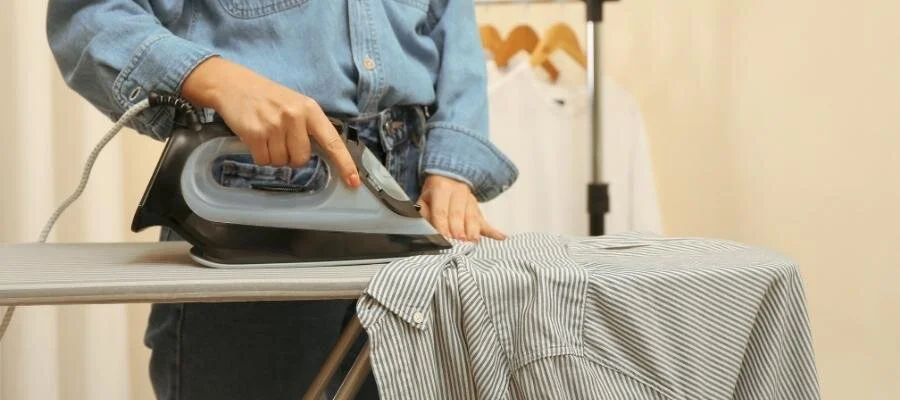
The sleeve area is one of the parts that requires the most attention when ironing a shirt. To prevent wrinkles from forming on the sleeves, first place the sleeve flat on the ironing board. Start with the cuffs and work your way toward the elbow. If there are folds in the sleeve, ironing the inside first and then the outside ensures a neat look. Here, the question of how to iron a shirt sleeve becomes important, and ironing with the right technique helps keep the shirt looking well cared for for a long time.
When ironing the sleeves and collars, move the iron without pressing too hard and without rushing. If needed, using light dampening or a steam iron helps you remove wrinkles more effectively. Exxe Selection shirts make these steps easier thanks to the quality of their fabric, and they stay well cared for even after ironing.
Extra Tips for Easy Shirt Ironing
● Adjust the height of the ironing board to waist and shoulder level.
● Use the steam feature on the iron; wrinkles come out faster.
● Hang shirts properly; hanging them on a hanger after ironing prevents wrinkles from forming again.
● Develop a regular ironing habit; frequent ironing prevents deep wrinkles.
● Before ironing, check all parts of the shirt; don’t skip pockets, the collar, and cuffs.
These methods are especially practical for those who want easy shirt ironing. You can iron your shirts with less effort and more quickly. And with the right ironing techniques, your shirt will look more professional and stylish.
How to Style a Shirt After Ironing?
A carefully ironed shirt looks much more stylish and neat when paired with the right complementary pieces. For everyday outfits, you can create a comfortable city style by pairing your shirt with jeans and sneakers. In business life, choosing tailored trousers, a blazer jacket, and classic shoes helps you achieve a more professional look. Selecting a bag, belt, and shoes that match the shirt’s color and cut strengthens the overall harmony of the outfit.
To complete your shirt combinations with minimal and timeless pieces, you can explore the pants, sneakers, bag, and accessory options in the Calvin Klein collection.
The Importance of Keeping Shirts Well Maintained at All Times
Being careful when ironing your shirts not only prevents wrinkles; it also helps preserve the shirt’s shape and style. Choosing the right heat setting for the fabric type, paying attention to collar and sleeve details, and maintaining it regularly ensures your shirt always looks like new.
The high-quality shirts you’ll get from Exxe Selection make your ironing process easier and allow you to wear your shirt for a long time. Applying these methods in your daily dressing routine saves time and helps you always achieve a stylish look. In addition, folding shirts correctly or hanging them on a hanger reduces the need to iron again before the next wear and extends your shirt’s lifespan. Regular care helps protect the shirt’s color and texture even with heavy use, ensuring it always looks clean and neat.