
 EN
EN


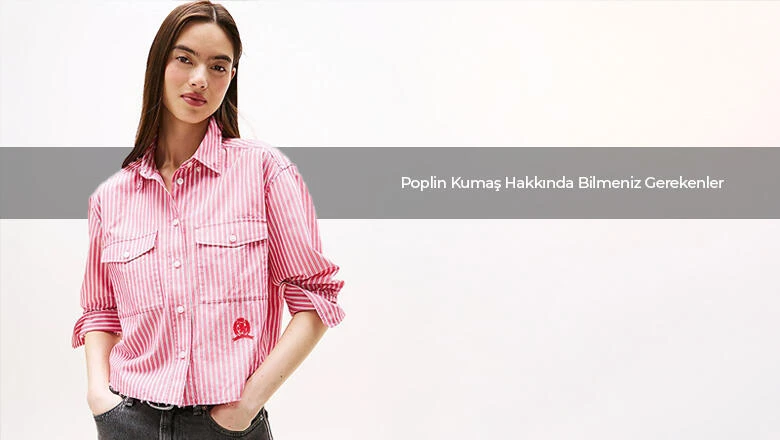
What You Need to Know About Poplin Fabric
In the textile industry, there are some fabric types that can meet both comfort and style expectations at the same time. Among these, one of the standout options is known as poplin fabric. With a wide range of uses—from everyday wear to office looks, from summer combinations to pieces for seasonal transitions—this woven fabric is preferred for its lightweight structure and neat appearance. It’s a functional alternative especially for users who want a simple yet carefully styled look.
This fabric type draws attention not only with its appearance, but also with the comfort it offers during use. Its breathable, non-clammy structure, easy-care advantage, and long-lasting durability place it among timeless textile products. So what does poplin mean, how is this fabric defined, and what features make it so widely used? In this article, you’ll find clear, fluent, and detailed answers to all these questions in a blog format.
What Is the Definition of Poplin Fabric?
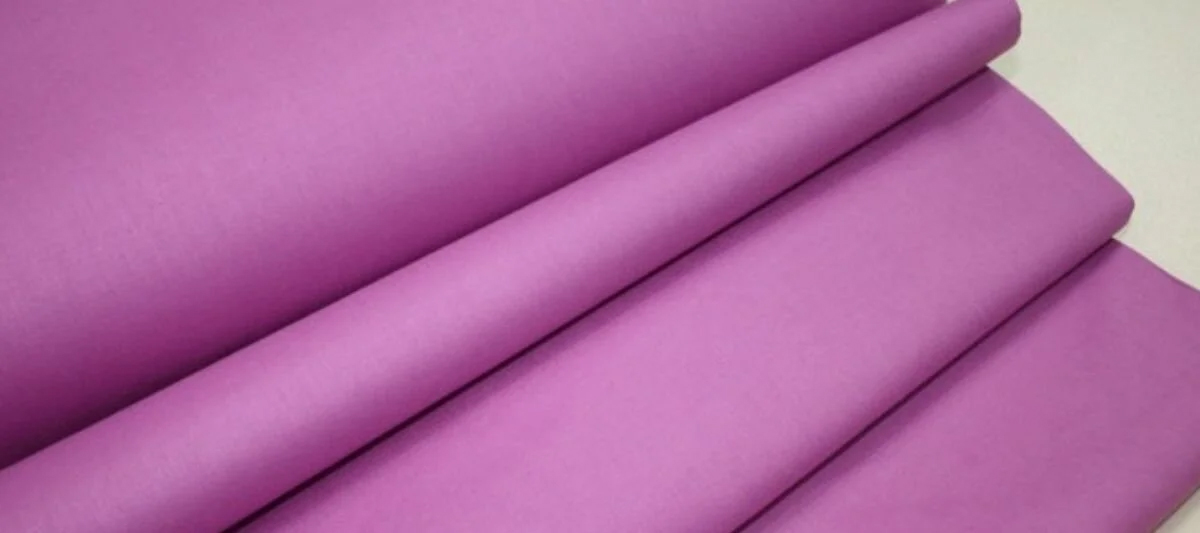
The question “What is poplin fabric?” is frequently researched by users who hear about this woven type for the first time or want to learn more before buying. Poplin is a fabric type produced using a tight weaving technique with fine yarns, resulting in a flat and smooth surface. During weaving, the weft and warp yarns are placed in a balanced way. This structure gives the fabric both a firm stance and a lightweight feel.
The answer to “What does poplin mean?” comes from the term’s origin. Historically, this expression refers to a weaving technique that emerged in Europe. Over time, it became widespread in modern textile production and came to represent a specific surface structure. Today, this term refers to both the weaving style and the resulting fabric character.
For those wondering what poplin fabric is like, the clearest definition is that it offers a balanced, regular, skin-friendly structure. Neither too thin nor too thick, this fabric type can be used comfortably in different seasons. When produced with the right yarn content, it provides a natural feel and comfort during wear.
Key Features of Poplin Fabric
When you look at the features of poplin fabric, it becomes clearer why this woven type is so preferred. First of all, lightness stands out. Thanks to its fine yarn structure, it doesn’t create a heavy feel and offers comfortable wear throughout the day. This is especially a major advantage in hot weather.
Breathability is another important feature. Its air-permeable structure helps balance body temperature and reduces the feeling of sweating. In this respect, it becomes an ideal option for summer shirts, dresses, and tunics. At the same time, it maintains a sense of freshness during long-term use.
Durability also has an important place among poplin fabric features. The tight weaving technique helps the fabric maintain its shape for a long time. With regular use, you won’t see stretching, sagging, or quick wear. With proper care, the color and texture preserve their first-day appearance for longer.
Easy care is also one of the factors that positively affects the user experience. This fabric type can generally be washed at low temperatures and dries quickly. Ironing is effortless when done while the fabric is slightly damp. While cotton-dominant options offer a more natural feel, synthetic blends are more resistant to wrinkling.
When you examine the question “What is poplin fabric like?” through its features, you’ll see that it has a soft texture, a firm drape, and a regular surface. Thanks to this, it can be used comfortably in both everyday and more formal combinations.
Where Poplin Fabric Is Used and Its Areas of Use
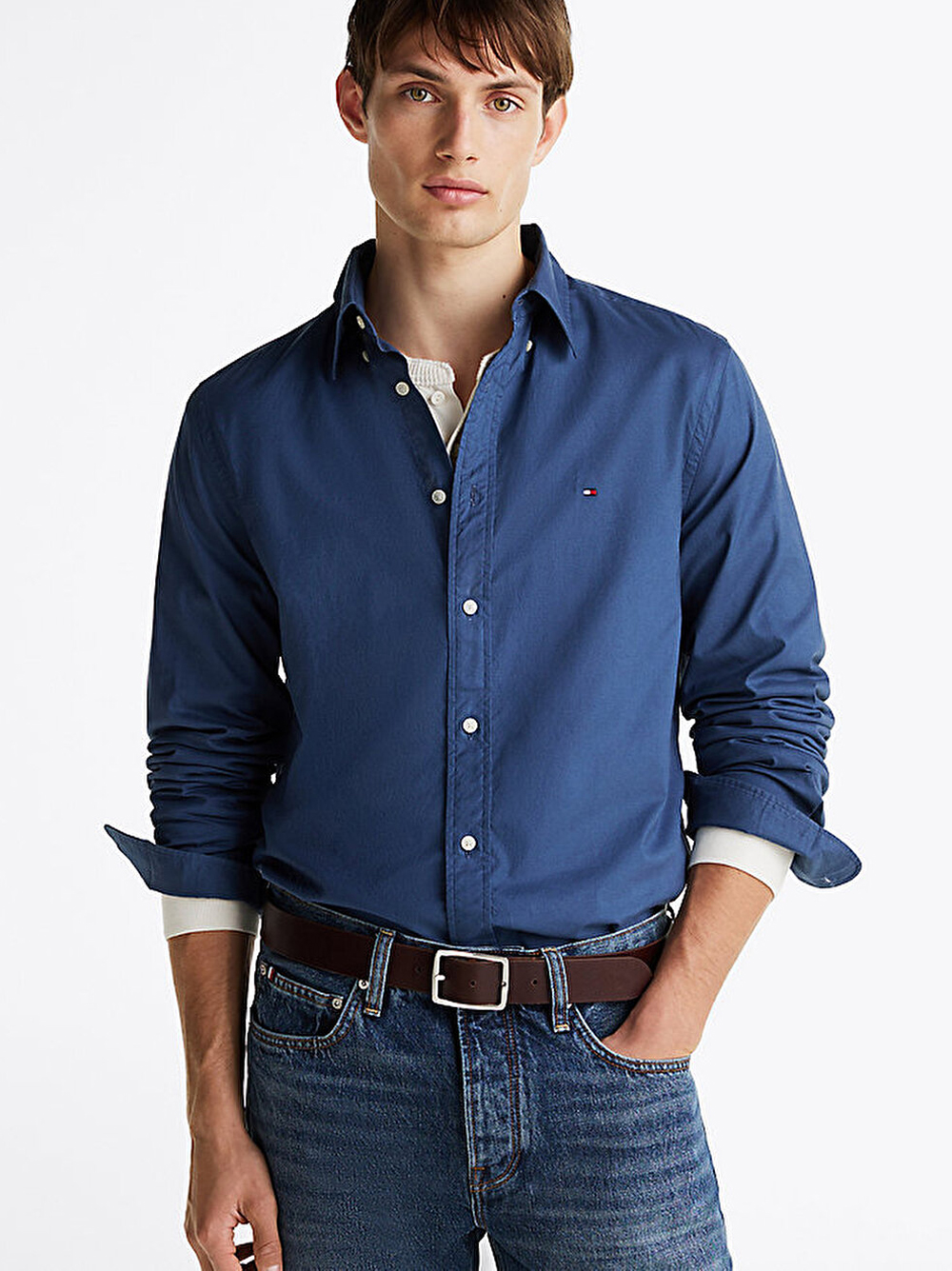
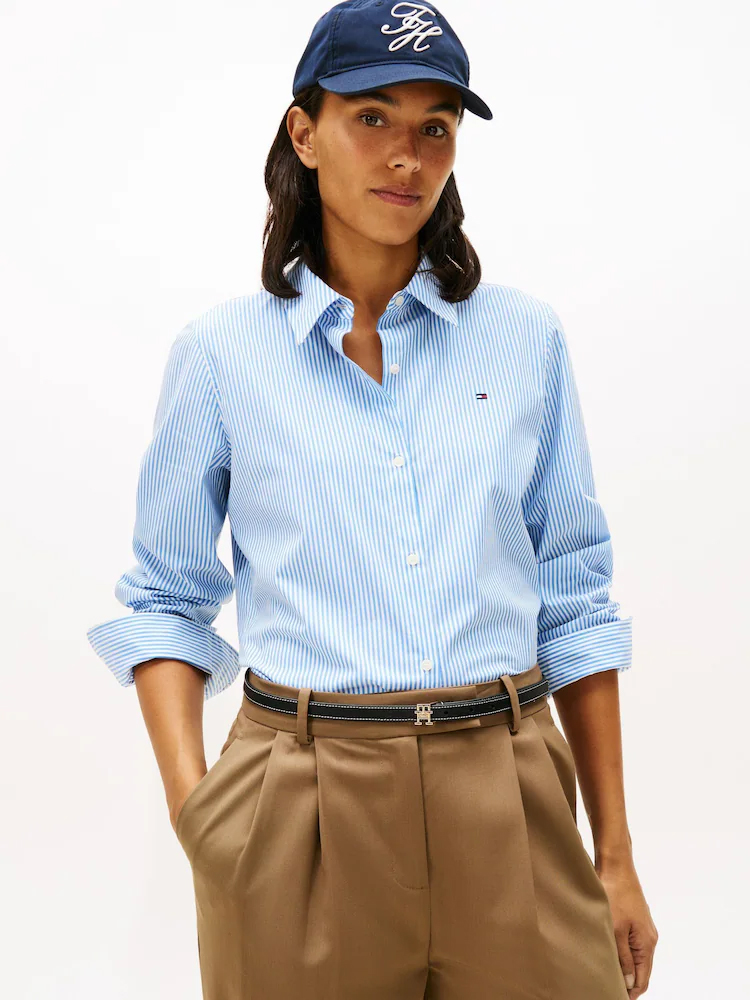
Poplin fabric is evaluated in different areas thanks to its versatile structure. The most common area of use is the apparel industry. Shirts, dresses, skirt varieties, and tunics are among the products where this fabric type is frequently preferred. Especially in office style, it stands out for offering a neat look throughout the day.
In everyday wear, when paired with comfortable cuts, it creates a comfortable and simple style. In summer, lighter colors provide a cooler experience, while darker tones create a stronger presence in city style. During seasonal transitions, it offers a suitable base for shirts under jackets and layered combinations.
This woven type can also be chosen for home textiles. Duvet cover sets, pillowcases, and lightweight throws increase sleep comfort especially in hot weather thanks to their breathable structure. In products that come into direct contact with the skin, its soft texture is an important advantage.
It’s also used in accessories and detail products. It’s preferred in linings, decorative textile items, and lightweight home accessories. The pattern choice directly affects the fabric’s drape. Loose cuts create a relaxed feel, while fitted cuts offer a more classic look.
Proper care habits extend the lifespan of products made from this fabric type. Washing with similar colors, avoiding high temperatures, and choosing natural drying reduce the risk of losing shape. Storing it on a hanger helps prevent wrinkles.
As a result, poplin fabric is an option that preserves its value in the textile world in every period with its lightness, durability, and wide range of uses. Thanks to its timeless structure, it can be chosen with confidence both in daily life and in more organized styles. With the right selection and conscious use, it delivers comfort and aesthetics for many years.
Things to Consider When Choosing Poplin Fabric
Examining the fabric content before purchasing a product directly affects your satisfaction with how it performs. Cotton-dominant options offer a more natural and soft feel, while alternatives containing synthetic fibers may be more resistant to wrinkling. When you choose the right yarn ratio according to your intended use, the performance you get increases. For everyday wear, breathability comes to the forefront, while options that maintain their shape are more advantageous for office wear or long-term use.
Color selection is also an important criterion. Light tones provide a cooler experience in summer, while dark colors create a stronger look in city style. In patterned products, the evenness of the weaving quality ensures the pattern appears clear and balanced. Also, paying attention to the care instructions on the product label helps extend the fabric’s lifespan.
Avoid using excessively hot water during washing to prevent the fabric from becoming stiff. Washing with similar colors reduces the risk of color transfer. When you choose natural drying instead of a tumble dryer, shape loss stays at a minimum. Ironing while the fabric is slightly damp gives a smoother result.
Proper storage habits are also important for long-term use. Keeping it on a hanger reduces wrinkles and helps the product maintain its shape from the first day. For items stored folded, care should be taken to ensure crease marks don’t form in the same spot.
When all these factors come together, a wardrobe built with conscious choices provides both sustainable and economic advantages. Pieces that can be used for a long time reduce the need to buy again and again over time. This approach contributes positively to both your personal budget and environmental impact. In this way, the balance of aesthetics, comfort, and functionality is preserved in the long run.