
 EN
EN


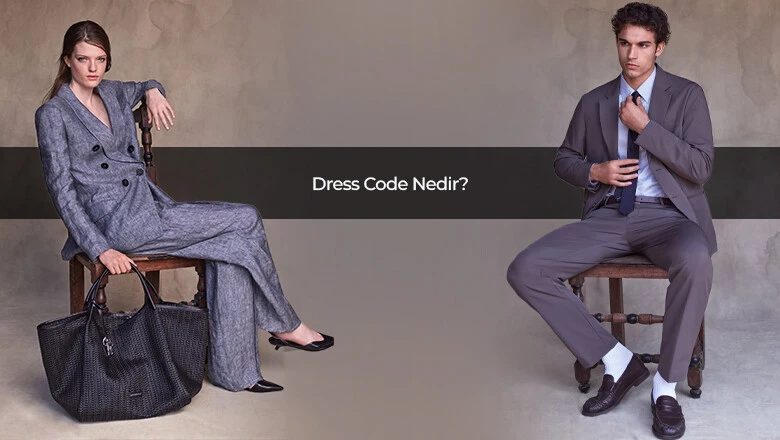
What Is Dress Code?
In the fashion world, some terms can be used with different meanings in different countries. What does dress code mean in Turkish, and how does it affect dressing? In Turkish, it can be explained as clothing rules. It can also be pronounced as a dress code. These are the rules that determine how a person should dress depending on the environment they will be in.
It is mostly applied as rules for formal settings, special invitations, and workplaces—how people should dress. What is the dress code often heard in corporate business life, and what are its types? Every work environment has a different structure.
The dress codes set for the workplace ensure that all employees know how they should dress. For some events, guests are asked to pay attention to specific dress rules, and the dress codes are communicated to the guests. It is frequently used in areas such as special events, weddings, and award ceremonies.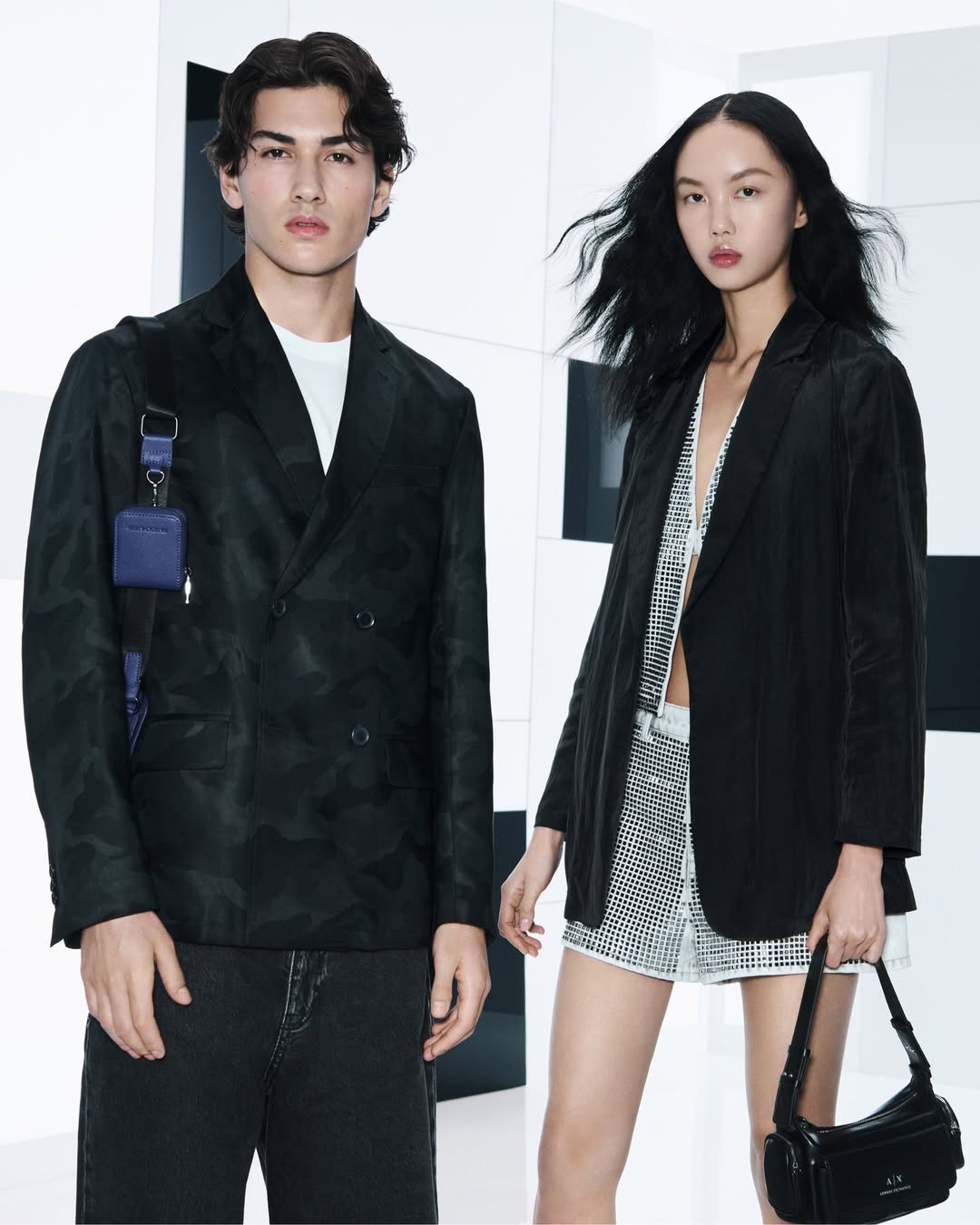
What Are the Types of Dress Code?
Dressing according to different settings and what does dress code mean—what are its types? Today, different clothing rules are set for different environments. In the fashion world, explanations of what dress code is show that different dressing styles should be used depending on the setting, social context, and the event.
The most commonly used dress code types are as follows;
- Casual (everyday style),
- Smart casual (smart everyday),
- Business casual (semi-formal business attire)
- Business formal (formal business attire),
- Cocktail attire (cocktail outfit)
- Black tie (attire that requires a tuxedo)
- White tie (the most formal dress code),
Dress codes are determined according to the characteristics of the setting and the event. For environments such as award ceremonies, weddings, and galas, what black tie means shows how men and women should dress. This dress code indicates that men should wear tuxedos and women should wear long evening gowns.
Smart Casual
In daily life, people try to dress comfortably and stylishly according to the setting they are in. Smart casual outfits are described as smart everyday wear. Dress code types are taken into account to create a look that is both relaxed and well-considered.
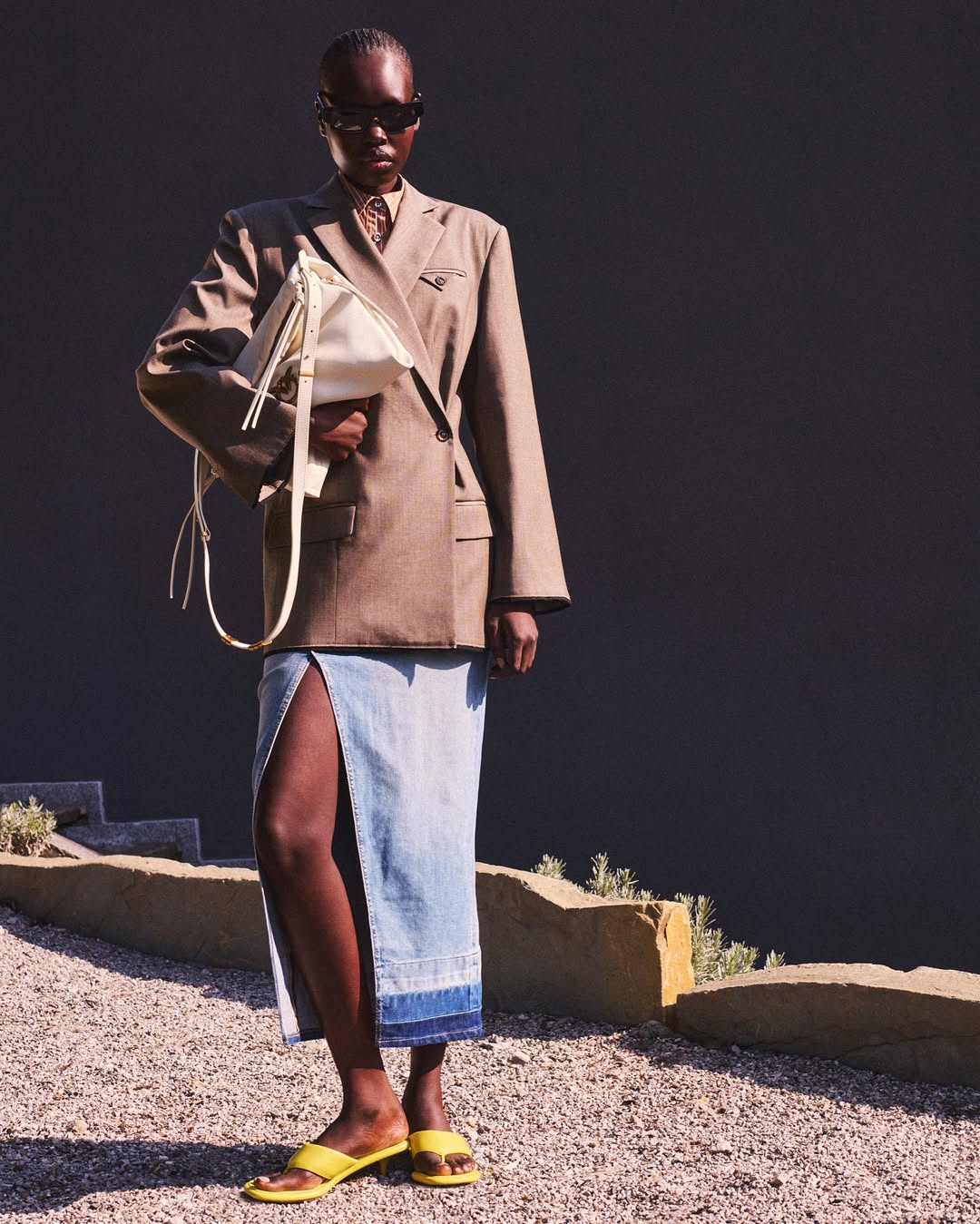
Those who prefer casual combinations in business environments and social events will be able to achieve everyday elegance. In smart casual dress code rules, men’s combinations are defined as a men’s shirt and chinos, while women’s combinations are recommended as blazer combinations or simple dress options.
Those who pay attention to their everyday dressing can always manage to look stylish in the workplace as well. Thanks to smart casual dress code rules, both men and women will achieve understated elegance and feel more confident.
Business Casual
Dress rules are determined according to the setting and its features. Business casual is one of the dress code types and is defined as the semi-formal business attire rule. Professional business wear that is not overly strict is described as business casual. Dress code examples for job interviews and office environments help the person dress stylishly.
In business casual dressing, men can use combination options with jackets. In casual combination options for women, combinations that can be made with pieces such as shirts, pencil skirts, and fabric trousers may be included.
Since business casual is defined in Turkish as semi-formal business attire, people will be able to create their combinations comfortably according to these dressing rules in daily life and in different settings as well. Since men can create jacket combinations, they can use shirt, T-shirt, fabric or denim trouser options as compatible pieces.
Formal Attire
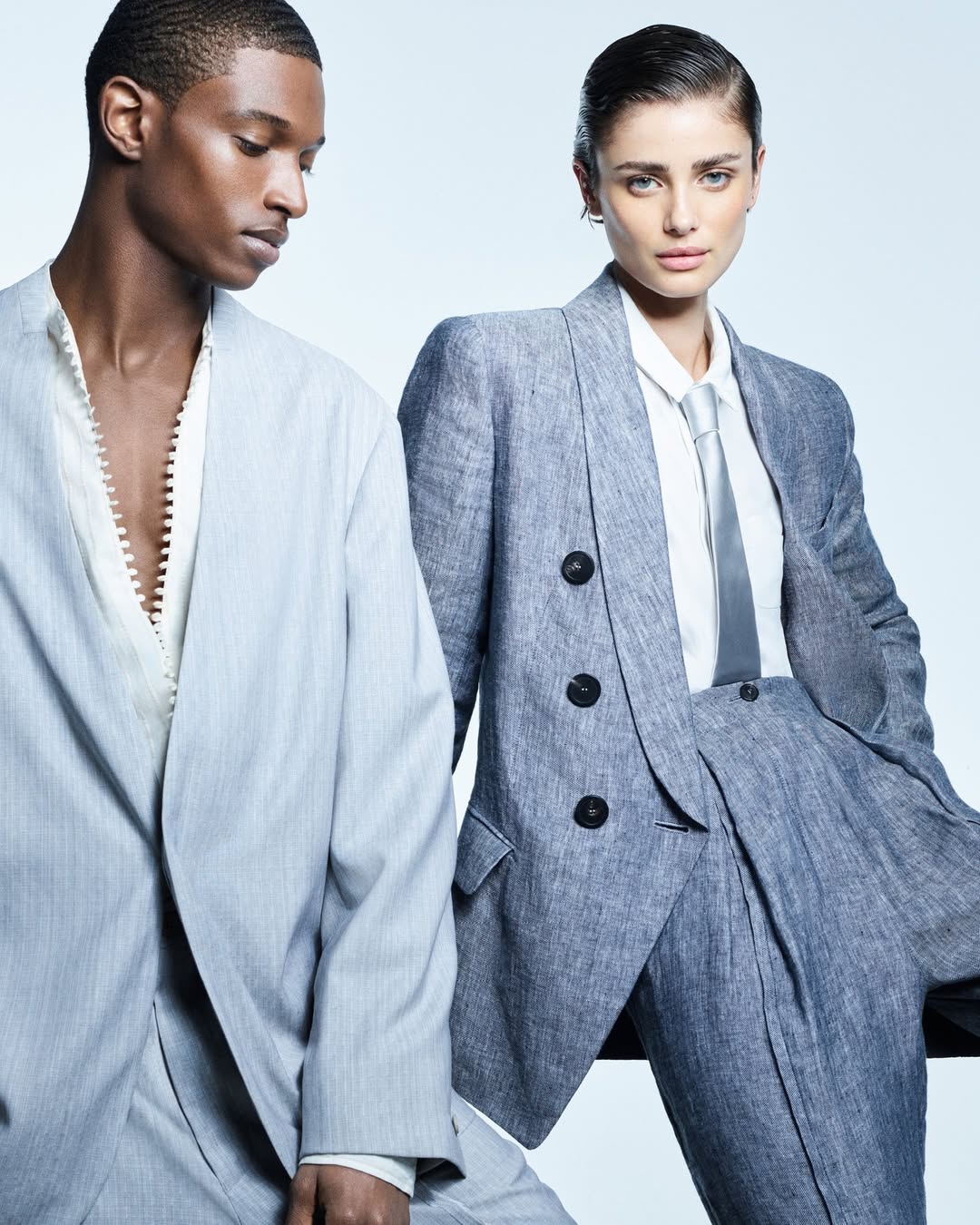
Formal attire is among the dress code examples set for organizations such as special invitations, business meetings, galas, weddings, graduations, and conferences. For special invitations, the combination options that can be chosen for men and women are determined in a way that creates a more formal look. Those who prefer casual combination options in everyday life should dress according to formal attire rules for special invitations.
The formal attire options recommended for men are as follows;
- A dark-colored suit,
- A white or light blue shirt,
- A tie or bow tie,
- Leather shoes,
- A belt,
- Simple accessories,
For women, classic-cut dresses, skirt-and-jacket suits, high heels or simple flat shoes, understated accessories, and elegant bag combinations can be recommended. In formal dressing, it should be ensured that the clothes are clean and ironed and that they fit the body shape. Accessory choices should be stylish and simple for both men and women. Since it will be a formal setting, it is important that the clothing colors are dark and in neutral tones.
Casual
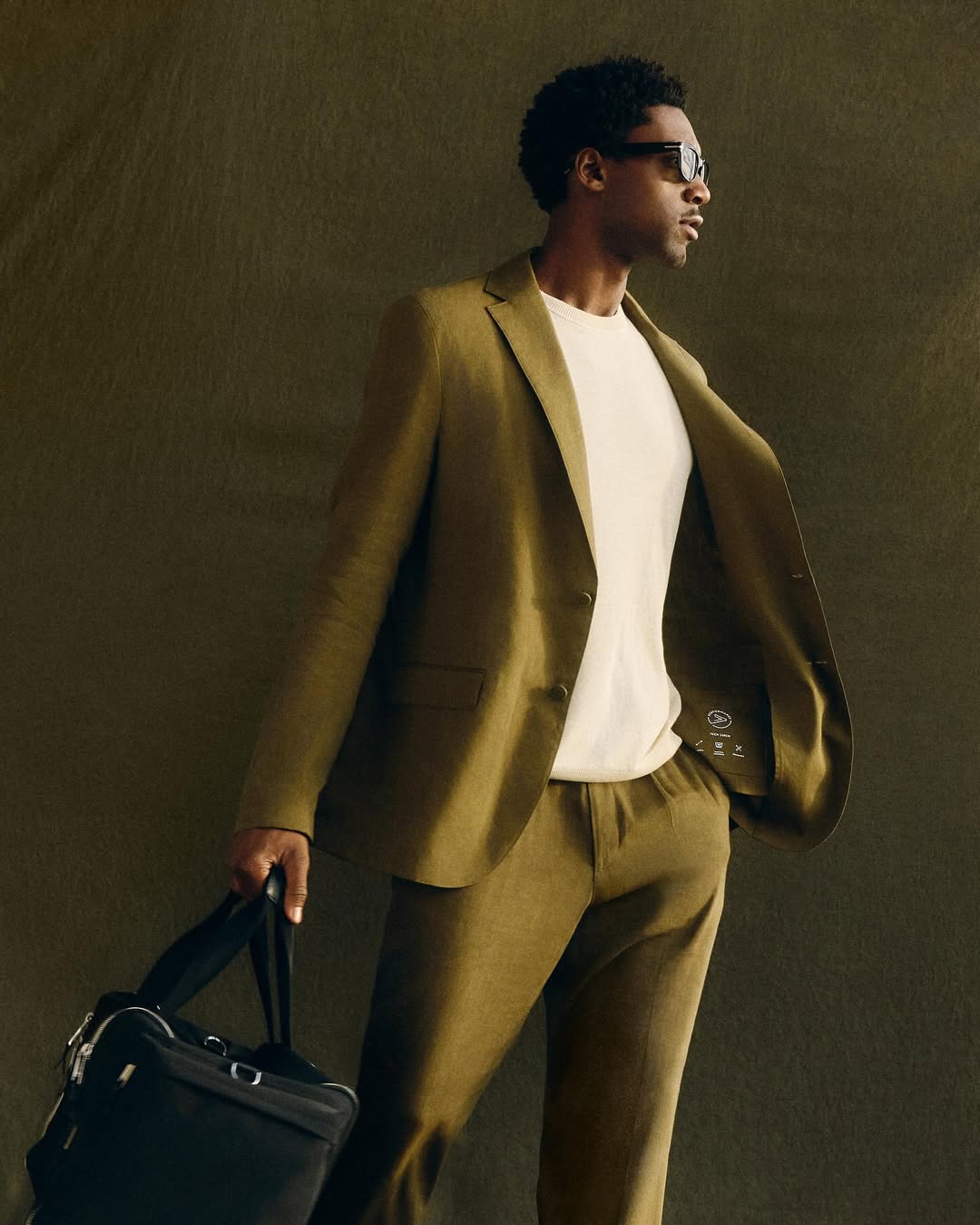
In Turkish, casual is defined as choosing comfortable and stylish clothing for everyday wear. Those who pay attention to the dress rules determined with dress code examples for daily life and special times will be able to dress correctly and stylishly according to the setting they will be in.
In everyday life, shopping, and meeting friends, casual combination options are the most preferred style. The purpose of casual dressing is to experience naturalness and comfort. While trying to look natural, it is important that the chosen clothes suit the body shape and the style of dressing.
Even in casual dressing, it is always important to look stylish. For women, casual dressing may include pieces such as T-shirts, crop tops, mom jeans, relaxed-fit trousers, oversized shirts, baggy sweaters, flat sandals, boots, or women’s sneakers, as well as crossbody bags.
Black Tie
In some formal and special invitations, it is stated that a tuxedo should be worn. For this reason, the concepts of what black tie means have become important for areas where formal dressing is required. Black tie is translated into Turkish as black tie and indicates a formal dress style.
Those who will evaluate outfit options for prestigious evening events, balls, award ceremonies, weddings, and galas can dress stylishly with the answer to the question of what black tie means and what it requires. It always ensures a classic, elegant, and stylish look. In special invitations, elegance is mandatory, and when invitations are prepared, the black tie dress code rules are reminded.
Combinations created according to the black tie dress style for special invitations must be formal, carefully put together, and harmonious. Hair, makeup, and the accessories to be used should create integrity with the outfit. Jeans, sneakers, and sports pieces should be avoided completely.
White Tie
White tie is a showy and the most formal dress style. It is applied for VIP guests at events such as grand balls, state ceremonies, formal invitations, opera galas, and award ceremonies. In special invitations, casual combination options should be avoided completely. In white tie dressing, wearing a tuxedo may not be enough—you may need to wear a tailcoat. In white tie dressing, all details must comply with the specified rules.
For men, the white tie outfit option is;
- A tailcoat suit,
- A white tailcoat shirt,
- A white bow tie,
- A white waistcoat or cummerbund,
- Black patent Oxford shoes,
- Handkerchief, cufflinks, and glove accessories,
In white tie dressing, a necktie is not used; a white bow tie is one of the required pieces for the bow tie combination.
What Does Dress Code Implementation Do?
Dressing according to the setting shows a person’s character and communication style. The collections offered on the Exxeselection online site help with what dress code means and what it is for. Dress codes that determine how to dress in different settings allow you to choose different combinations depending on the environment. Explanations of what it does and what dress code is are provided as clothing rules.
- Helps you dress in a way that matches the seriousness of the setting,
- Supports corporate identity,
- Creates aesthetic harmony and ensures social cohesion,
- Ensures you dress correctly according to the setting,
- Ensures your personal style is reflected properly,
It is defined as clothing rules and shows how everyday elegance and special invitation outfit combinations should be created, and which pieces should be used. In settings such as state ceremonies, special and formal invitations, balls, and weddings, it helps people dress stylishly according to certain rules.