 EN
EN


What Is Viscose Fabric?
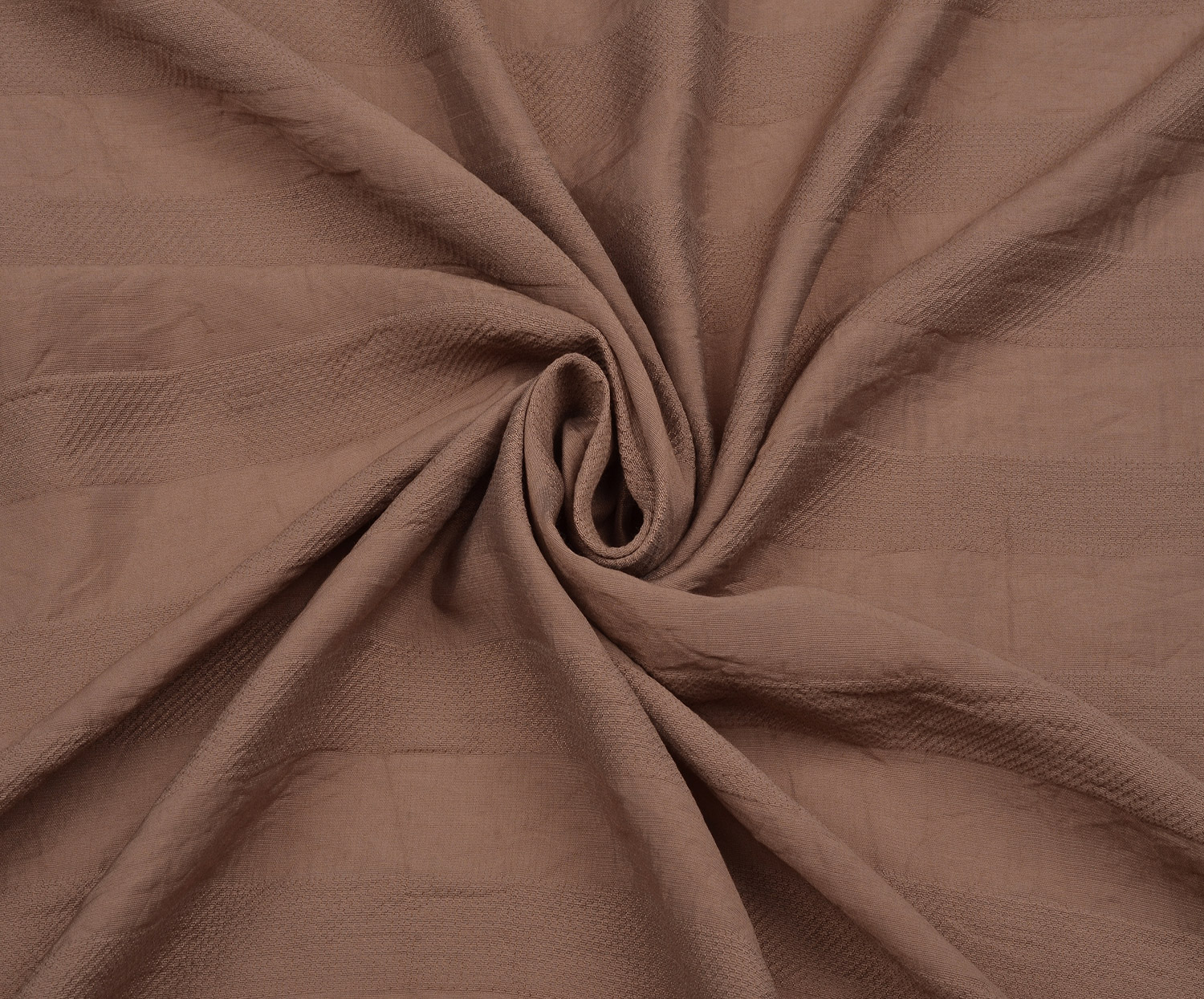
Viscose fabric used in the textile industry is one of the fabric types that has a natural look but is produced through artificial methods. It is a fabric made using plant-based raw materials and is used in many types of textile products. It is obtained from wood pulp and prepared in the form of semi-synthetic fibers as a result of chemical processes.
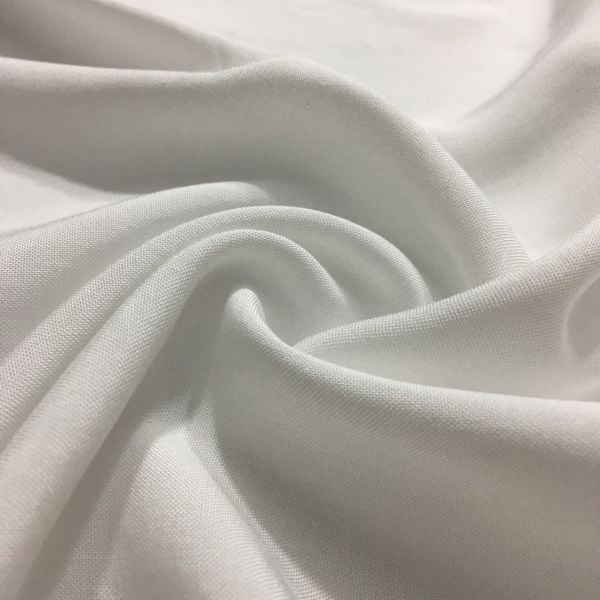
For the question of what viscose fabric is, which is used in most textile products, a soft, cotton-feel fabric description is provided. Since the fabric structure is soft and breathable, it is preferred more in summer clothing.
All color options can be applied, and there is no fading problem with the colors used. In clothing products, all colors look more vivid and bright. With its drapey and smooth structure, it creates a stylish look in garments. Being a natural product helps it be skin-friendly and prevents it from causing allergy effects in users.
While it gives a softness feel with its cottony texture, its absorbency feature is also high. Since it absorbs sweat easily, it helps experience clothing comfort in summer. One of its most important features is its stylish and natural appearance. It keeps you cool and doesn’t make you sweat. With this feature, it ensures high usage comfort.
Being a soft and shiny fabric can cause it to wrinkle easily. Easy wrinkling is among the disadvantages of the fabric. It is one of the fabrics frequently used in clothing items such as dresses, shirts, and scarves.
When users wash according to the washing instructions, they can help the fabric last longer. In short, it is a practical and modern-looking fabric type produced from cellulose through chemical processes.
Where Is Viscose Fabric Used?
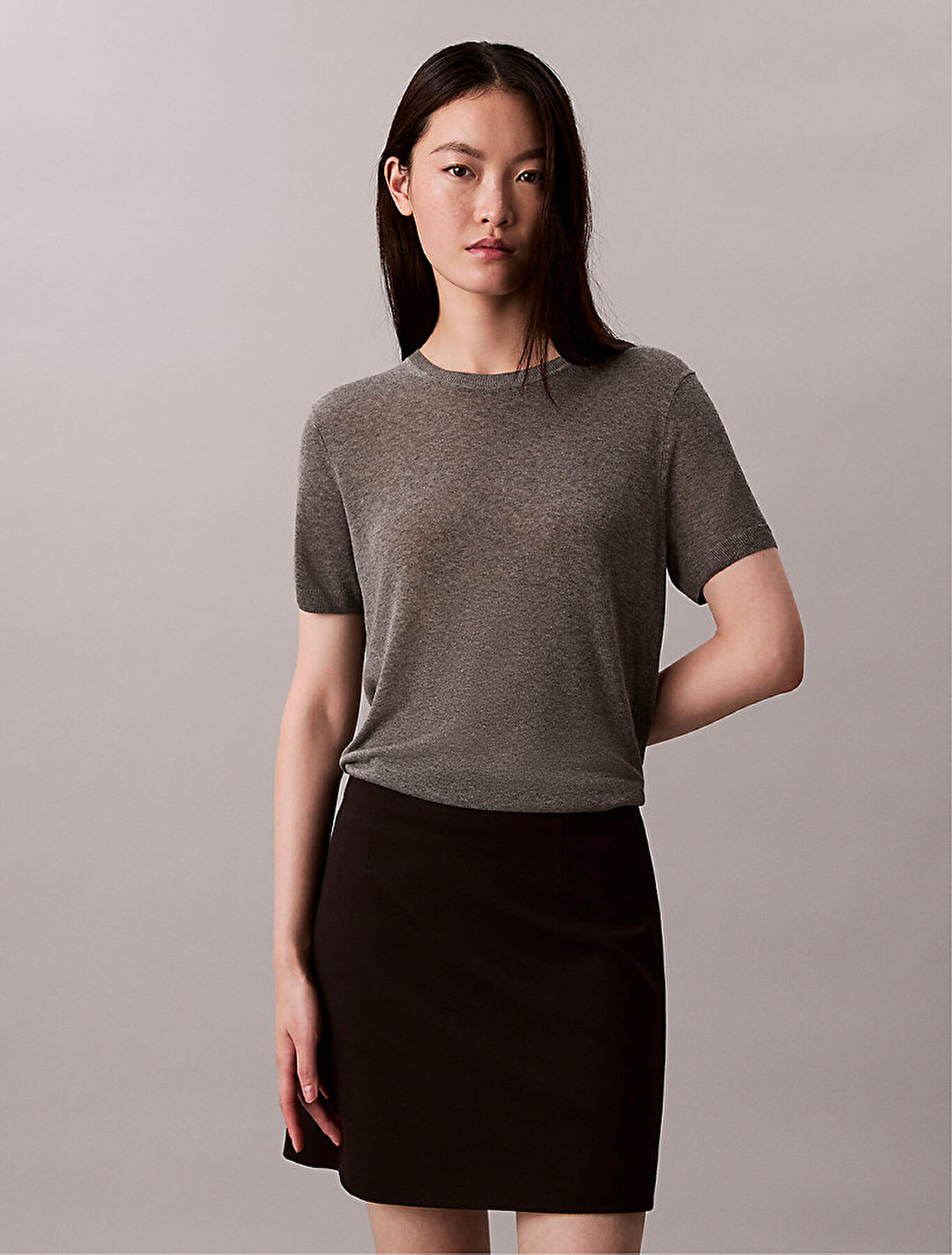
Many product designs and productions are made using textile products. What is viscose, which has a wide range of uses, and where is it used? It is a fabric type with a shiny appearance and soft texture obtained by subjecting wood pulp to chemical processes. Viscose fabrics have many areas of use. The clothing sector, home textiles, and accessory products are the most commonly used areas.
The product types found on the women’s clothing category pages of the online platform are as follows;
- Shirts and sweatshirt,
- Dresses and skirts,
- Trousers and tunics,
- Pyjamas and boxer underwear products such as ,
Those who will choose clothing products select the fabric type in the filter section and can list viscose products. In skirt and dress products, its drapey structure helps users create more stylish combinations. With its soft texture and variety of colors, it is especially preferred in summer season blouses and shirts. The light structure created in trousers helps keep you cooler during summer. It is also preferred in underwear because it is skin-friendly.
It is also used in many products in home textiles. Due to its bright color options, it is preferred in decoration products. For a stylish decoration look, it is used more in curtains. Thanks to its breathability and soft structure, it is also possible to see viscose fabrics used in bedspreads and duvet cover sets. Since it can be dyed easily, it also allows decorative covers and tablecloths in home textiles to be designed in different ways.
Its smooth and drapey structure also makes it suitable for various accessory and complementary products. Viscose fabrics are given wide place in scarves and shawls, which are among the most important accessories in women’s clothing. Due to its softness, breathability, and thin structure, it can also be used as a lining fabric in many clothing products.
Apart from clothing and home textiles, there are also different usage areas. Among special usage areas are fashion designs, stage and theatre costumes. Among the products where viscose fabric is used the most are summer dresses, shirts, relaxed-fit skirts, lightweight summer trousers, and tunics. It can be seen that it takes part in different products within clothing product categories.
What Are the Features of Viscose Fabric?
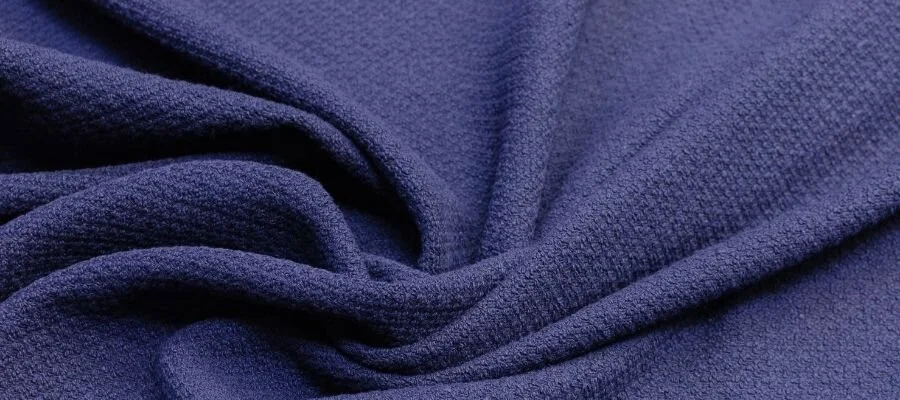
Every fabric type used in clothing products has different features. Those who know about the most preferred viscose fabric features can make product selection more easily. People who examine the features of products made from viscose fabrics on the category page can learn about fabric properties.
The standout features of viscose fabrics are as follows;
- It is natural because it is produced from cellulose,
- It has a cottony texture,
- Because it is natural, the risk of allergy is low and it is skin-friendly,
- High clothing comfort,
- It gives a softness feel with its silky structure,
- It is a breathable fabric that doesn’t make you sweat.
- It is fluid and drapey,
- It gives a stylish look,
- It is easy to dye and the colors are bright and vivid,
- There is no color fading problem,
- High sweat and moisture absorption rate,
- It is more economical.
Fabric features make it possible to offer many advantages together in clothing products. Soft texture and easy wrinkling are shown as the disadvantageous side of the fabric. Since it is thin, it should not be used when wet. Wet use will reduce the fabric’s durability.
Those who want to evaluate the advantageous aspects with fabric features prefer it more in summer clothing products. It has a silky softness and provides a sense of comfort and ease in all clothing products. It is preferred because of its ability to keep you cool in summer and it prevents sweating with its absorbent feature.
Thanks to the fibers created with cellulose and chemical processes, it has high breathability. This allows it to have this breathable fabric feature. With its shiny appearance and drapey structure, it creates a more fluid look on the body. It fits the body well and gives a stylish appearance.
Due to its drapey structure, it comes among the leading fabric types preferred for skirts and dresses. Since the colors are bright and vivid, it makes it easy for those who want to create colorful combinations. Its easy dyeing feature helps different colors be used more easily.
How to Wash Viscose Fabric Clothes?
To use clothing products for a long time, it is important to know about fabric structures. Fabric washing instructions are determined according to the product’s structure. What is viscose fabric like and how is it washed? How viscose clothes should be washed can be found on the product labels.
When people choose products through the online platform, while examining the product features section on the product page, they can also learn about washing instructions. Washing instructions may vary depending on the type of products in which viscose fabrics are used. For this, the first step should be to check the product label.
The most suitable washing method for viscose clothes is hand washing. To avoid damaging the fabric, it is appropriate to wash at low temperature. Those who will wash in a machine should choose suitable programs for viscose fabrics with the water temperature set to a maximum of 30 °C. Cold or lukewarm water should be used so that the fabric does not lose its shape and no shrinkage issues occur. In washes done with hot water, shrinkage problems may occur in the fabric.
In order to prevent the fabric from losing its shape, attention should also be paid to detergent selection during washing. Mild and liquid detergents should be used, and detergents should not contain bleach. Harsh chemicals and substances such as laundry bleach can damage the structure of viscose.
Washing instructions provide information about water temperature and the types of detergent to use. For both hand and machine washing, you should avoid rubbing and wringing. Since fabric fibers weaken when they get wet, wringing can cause damage to the fabric structure.
For drying after washing, it should be laid out on a flat surface. Do not dry by hanging. For stylish and quality clothing products made from viscose fabrics, you can visit the exxeselection online sales platform.
On the product features page, you can learn about how the fabric should be washed and what points to pay attention to. Those who wash and dry according to the washing instructions should prefer ironing at low temperature when it’s time to iron. To make it easier to iron, it is correct to iron with a steam iron at low temperature or while the fabric is still damp.