
 EN
EN


Emporio Armani: A Fashion Kingdom
The Armani brand is known by almost everyone and is recognized worldwide. But Armani is much more than just a clothing brand. It has its own very distinct designs, a serious fan base, different group companies, and incredible authority. Of course, behind these magnificent successes lie great consistency and the right steps taken. The owner of this consistency is the famous name that gave the brand its name: Giorgio Armani…
Today, all brands under the Armani umbrella—especially Emporio Armani—represent a lifestyle approach that does not limit the perception of luxury to clothing alone. Emporio Armani, in particular, holds a strong position on a global scale for those seeking an urban, modern, and timeless style. When you think of Armani, you immediately picture clean lines, a simple color palette, and impeccable cuts—and this is clearly felt in Emporio Armani collections as well.
Who Is Giorgio Armani? The Story of Giorgio Armani
Giorgio Armani has a truly extraordinary story. This fashion kingdom journey includes many losses and sacrifices. Who is the owner of this legendary brand, Giorgio Armani? Let’s explain.
Giorgio Armani was born in 1934 in Piacenza, Italy. Well-educated and a pleasant person, Armani goes to the University of Milan to study medicine, following his interest in anatomy. However, after studying there for 3 years, he discovers his passion for photography and leaves school. While starting to work in a photo studio, he is drafted in 1957 and serves in a military hospital. After his military service, he begins working in Milan at La Rinascente as a department clerk—completely unrelated to his background. He starts as a sales consultant in the men’s department, but no one could have predicted that he would go on to build a fashion kingdom.
This period is a critical time when Armani observes fabric, cutting, and customer expectations firsthand. Later, this sales experience is at the heart of why Emporio Armani collections appeal to such a wide audience.
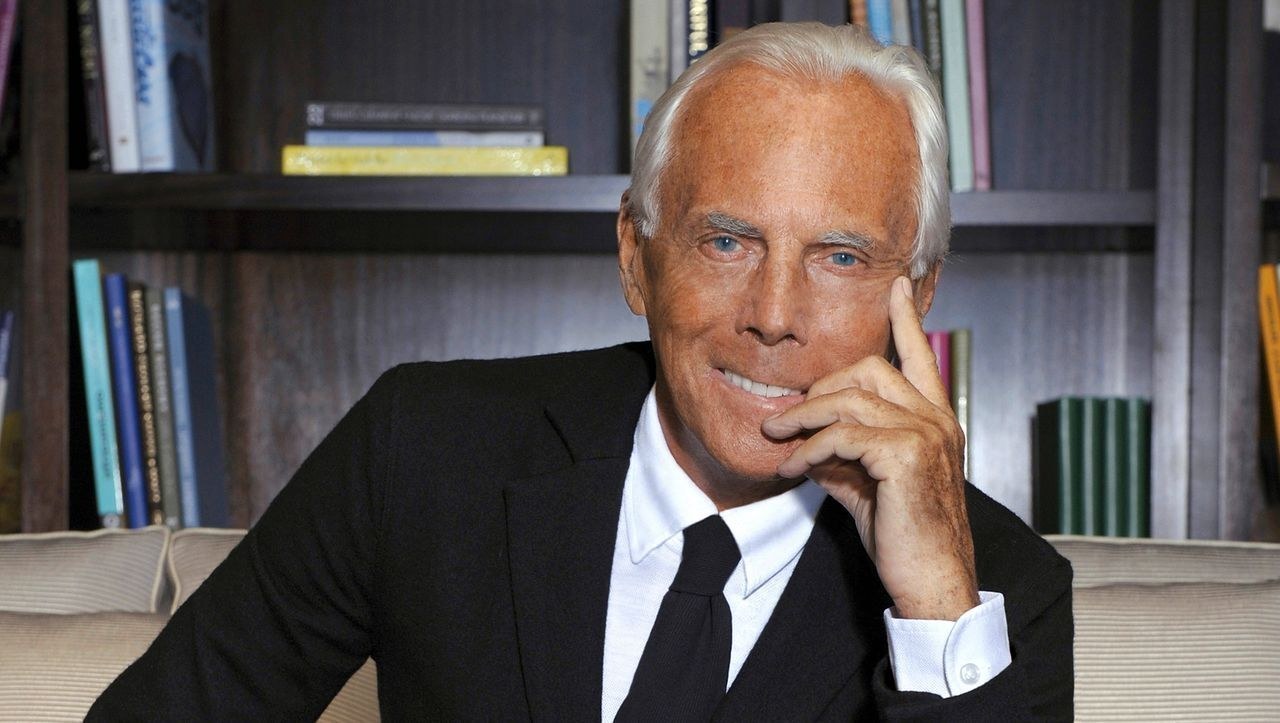
After he moves from being a novice to becoming a master, he works for the famous brand Nino Cerruti for 9 years. He realizes he’s in an area where he gradually starts giving styling and design suggestions from the shop floor. With this exceptional talent he recognizes in himself, Giorgio—who is tired of making money for others—and his partner Sergio Galeotti begin working as freelance designers.
After creating designs for famous brands and boutiques, the Armani adventure begins and in 1975 they establish “Giorgio Armani S.p.A.” For 10 years, they design for very important people. An agreement is made with Gruppo Finanzario. At an international level, they begin production for the United States. By partnering with L’Oréal, they release their first fragrance in 1980—bringing legendary Armani perfumes to life. However, after 10 years, in 1985, unfortunately, their partner Sergio passes away.
This period is one of the most important times that paved the way for the birth of younger and more dynamic sub-brands like Emporio Armani. Armani now aims to appeal not only to an elite group, but also to broader audiences—more accessible, yet still preserving the same quality line.
With this sadness in his heart, Giorgio clings even more tightly to his work and adds new models and agreements to the collection. He even designs and outfits the clothes for some films in Hollywood, and that’s how the Armani craze starts in America as well.
In the American market, especially the Emporio Armani line is quickly embraced by young professionals and urban style lovers. When Armani’s minimalist yet powerful aesthetic combines with cinema and popular culture, the brand’s global impact grows exponentially.
The Armani Brand Journey
Giorgio was always a character with very broad interests—constantly pursuing new searches and new excitement. While this could be very dangerous for a company owner, Armani was more than a company owner; he was a passionate man. That’s why, once he fully succeeds at a job, he jumps into a new adventure—doing it under the name of his brand—and achieves it, then continues on his way.
After the door to America opened, Giorgio gained his real fame—he became Hollywood’s indispensable costume designer. In this extreme intensity and popularity, he never stopped working, and he further developed ready-to-wear clothing. In 1995, he launched a series of ski apparel. In 1996, Eric Clapton composed special songs to be played in his runway shows. He was now, truly, a clothing brand.
During this period, Emporio Armani becomes one of the pioneering brands that combines the concept of sporty chic with luxury fashion. Designs with a high prestige perception—yet comfortable enough to wear in everyday life—carry the Emporio Armani signature.
But that wasn’t enough for Armani. People were already wearing Armani—so then they could eat at Armani and stay at Armani. No one knows when these crazy ideas came to him, but in the early 2000s he started working on different fields. For years, he designed Olympic uniforms. He designed Goyesco for Spanish bullfights.
At the same time, Giorgio—who was also a fanatic—was one of the most well-known supporters of FC Internazionale Milano. This love for Milan even made him the president of the Olimpia Milano basketball team.
All of this aside, Armani’s drive for development never let him go. It may sound crazy to imagine that everyone in the world finds a piece of Armani and wears it. After all, there are people who dress in sportswear all the time or people who dress casually all the time. You can’t address all of them with a single brand. That’s where Armani’s sub-companies come in. For more everyday and sporty clothing, Armani Exchange and EA7; for light casual and daily wear, Emporio Armani; and for those who prefer something more classic, brands like Armani Collezione. In this way, people from every style find a piece of Armani for themselves—and they love it.
Within this structure, Emporio Armani is the balance point. Not overly sporty and not overly classic, Emporio Armani stands out with collections that adapt to the pace of modern life.
But it wasn’t enough to offer Giorgio options in the fashion industry either—so he has an idea in his mind: “If people wear Armani, they can eat at Armani and stay there.”
And that’s how Emporio Armani Caffé and Emporio Armani Ristorante come to life. They’re even available in many cities around the world. These restaurants and cafés, featuring mostly Italian cuisine as well as international flavors, reflect Armani’s class to the fullest.
Apart from the restaurant and café, other interesting sector moves by the Armani Group include home textiles and hospitality. While Armani Casa sells home products, the Armani Hotel Dubai at Burj Khalifa is a perfect ultra-luxury hotel. In our article “The World’s Most Luxurious Hotels,” you can find more detailed information about the hotel.
Armani’s sub-brands are listed as follows:
● Giorgio Armani: The brand’s top segment. It represents timeless, sophisticated, high-fashion understanding. It’s at the center of red-carpet appearances and made-to-measure collections.
● Emporio Armani: One of the brand’s best-known sub-brands with the widest audience. It combines modern, urban, everyday chic with luxury. Emporio Armani is preferred both in business life and in casual combinations.
● Armani Collezioni: Positioned for users who adopt a more classic and formal dress style. Cuts suitable for the business world and simple designs come to the forefront.
● Armani Exchange (A|X): It has a line close to youth, dynamic, and street fashion. With a more accessible pricing policy, it brings the Armani spirit to younger audiences.
● EA7: A sub-brand focused on sports and an active lifestyle. It stands out with performance wear, athletes’ collections, and technical fabrics.
● Armani Jeans: Represents casual wear with its everyday denim-heavy collections. It aims for a balance of comfort and style.
● Armani Junior: Consists of collections designed for children. It adapts the Armani aesthetic to kids’ clothing.
● Armani Privé: Represents the haute couture line. Special invitations, couture runway shows, and bespoke designs fall within this brand’s scope.
● Armani Cosmetics: Covers makeup, skincare, and fragrance products. It’s Armani’s strong representative in the world of beauty and care.
● Armani Casa (Home Products): Includes furniture, decoration, and home textile products. Designed for luxurious living spaces.
● Armani Dolci: A gourmet sub-brand made up of chocolate and dessert products.
● Armani Caffé: A café concept that brings the Armani lifestyle to the dining experience.
● Armani Ristorante: Offers a luxury restaurant experience with a fine dining concept.
● Armani Hotel / Resorts: Ultra-luxury hotel and resort projects that bring the Armani aesthetic to the hospitality industry.
King George’s Armani Kingdom
Giorgio, who was likened to “King George,” of course couldn’t stay away from the tabloids while having such fame. But the most talked-about events of Armani—events that never use him for cheap tabloid news—are luxury news at a level that befits the brand identity.
In 2008, Armani received the Legion d’honneur (Legion of Honor) in France. He was knighted by the Italian President Sergio Mattarella, who presented him with the Grand Cross. Previously, this title had only been given to Valentino and Miuccia Prada.
Giorgio Armani’s achievements and initiatives truly can’t be counted. With hundreds of successes he fit into his long life, he brings his name closer to eternity every day. It’s obvious that, even in the rest of Armani’s life—reaching hundreds of people with the brand he gave his name to—his designs and the work he does will continue to be talked about. King George’s fashion kingdom can now be considered an empire that has gone beyond clothing itself.